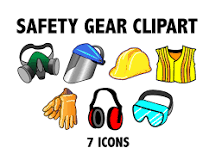
Safety gear is a critical part of any work environment, especially in construction, welding, fabrication, and industrial settings. Using the right protective equipment such as helmets and gloves not only reduces the risk of injuries but also improves efficiency and confidence on the job.
In this guide, we explore the importance of safety gear, the common types available, and how to choose the right equipment for your needs.
Why Safety Gear Is Important
Work environments can expose you to various hazards such as heat, sharp objects, heavy materials, and electrical risks. Proper safety gear helps to:
- Prevent serious injuries
- Protect against burns, cuts, and impacts
- Improve work performance
- Ensure compliance with safety standards
Investing in quality protective gear is essential for both professionals and DIY users.
Types of Safety Helmets
Safety helmets are designed to protect the head from falling objects, impacts, and electrical hazards.
1. Industrial Safety Helmets
Commonly used in construction and engineering sites.
- Strong outer shell
- Impact-resistant
- Comfortable inner suspension
Best for: construction workers, site engineers, and technicians.
2. Welding Helmets
Designed specifically for welding tasks.
- Protects eyes and face from sparks and heat
- Equipped with darkened or auto-darkening lenses
- Shields against harmful UV/IR radiation
Best for: welders and metal fabricators.
Types of Safety Gloves
Gloves protect your hands from injuries while handling tools, materials, or machinery.
1. Leather Gloves
Durable and heat-resistant.
- Ideal for heavy-duty tasks
- Protect against sparks and abrasion
Best for: welding, construction, and mechanical work.
2. Rubber/Insulated Gloves
Designed for electrical safety.
- Protect against electric shocks
- Flexible and comfortable
Best for: electricians and technical work.
3. Cut-Resistant Gloves
Made with reinforced materials.
- Protect against sharp objects
- Lightweight and flexible
Best for: handling metal, glass, or sharp tools.
How to Choose the Right Safety Gear
When selecting helmets and gloves, consider:
- Type of work: Welding, construction, electrical, etc.
- Level of protection needed: Heat, impact, or electrical hazards
- Comfort and fit: Proper fit ensures better protection
- Material quality: Durable materials last longer
- Safety standards: Ensure the gear meets required certifications
Using the wrong gear can expose you to unnecessary risks.
Safety Tips When Using Protective Gear
To maximize protection:
- Always wear the correct gear for the task
- Inspect equipment before use
- Replace damaged or worn-out gear
- Store in a clean and dry place
- Follow proper safety procedures
Safety should always be a top priority.
Why Quality Safety Gear Matters
High-quality safety gear ensures:
- Better protection against hazards
- Increased durability
- Comfort during long working hours
- Reduced risk of accidents
Cheap or low-quality gear may fail when you need it most.